
Most beginners show up to the flats either overpacked, underprepared, or using gear that doesn’t belong in shallow water. That’s where the frustration starts and the fish end. But with the right essentials, you can step onto a skiff or wade a shoreline ready to sight-cast redfish, snook, or bonefish with confidence.
This article breaks down exactly what to bring and why, so your first flats trip feels less like guesswork and more like game-on.
For beginners, a 7’ to 7’6” medium light-medium action matched with a 2500 or 3000-size salt-rated reel is the sweet spot. That setup delivers smooth, accurate casting in the tight spaces common on the flats and gives enough sensitivity to work light lures naturally. Flat fish, redfish, snook, and bonefish are naturally wary.
Heavy rods cause splashy presentations that send them bolting, and oversized reels lack the finesse required for sight-fishing precision. Choose a reel with sealed bearings and corrosion resistance. Salt air, spray, and humidity on the flats can turn cheap gear into a corroded mess on a weekend, so this is one place not to cut corners.
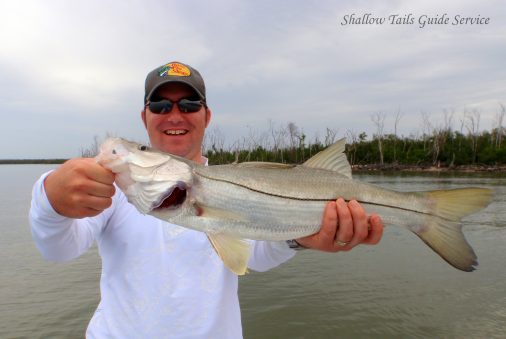
Braided mainline in the 10–15 lb range is standard for most inshore flats work. It casts farther than monofilament, doesn’t stretch, and keeps you connected to subtle takes, like when a redfish inhales your lure with barely a ripple. But braid alone is not enough. You’ll need a fluorocarbon leader, typically 20 to 30 inches long, in the 15–30 lb test range, depending on your target.
The reasoning here is visibility and stealth. On sunny, calm days over clear flats, fish can spot braid easily, and a visible line is a strike killer. Fluorocarbon refracts light in a way that makes it virtually invisible underwater. Go lighter for bonefish and redfish; heavier for snook or juvenile tarpon, which require more abrasion resistance around structure.

Flats fishing is all about matching the hatch. If local forage is shrimp, crabs, or mullet, your lures should imitate those prey items. Soft plastic jerkbaits in white or silver mimic baitfish and are versatile for covering water. Shrimp imitations like Gulp! or DOA can be deadly when fish are keyed in on crustaceans. Gold spoons work well in low-visibility conditions or when you need to cover distance quickly.
For aggressive early-morning fish, topwaters like the Spook Jr. or Rapala Skitter Walk can draw explosive strikes. While live bait, shrimp, and finger mullet will catch fish, artificial lures are often the better teacher. They force you to learn presentation, cadence, and accuracy, all of which make you a more skilled angler in the long run. Plus, lures can be reused, making them a practical choice for longer sessions.
On the flats, your eyes are as much a tool as your rod. Polarized sunglasses are essential for spotting fish, reading bottom structure, and even anticipating a strike. Without them, you’re essentially blind casting and relying on luck. The right lens color matters; amber or copper lenses cut surface glare and help distinguish fish shadows against turtle grass or sand.
This advantage can be the difference between making a perfect cast and never knowing the fish was there. Sight-fishing success depends on sight, and without polarized lenses, you’ll miss most of your opportunities before you even pick up your rod.
Your shoes aren’t just for comfort, they’re part of your stealth and safety system. On a skiff, quiet, non-marking deck shoes with good grip keep you stable without scuffing gelcoat. For wading, water shoes or soft-soled wading boots are non-negotiable.
They protect your feet from oyster beds, rocks, and stingrays while allowing silent movement in shallow water. Flip-flops fail on all counts. They’re noisy, slippery, and offer zero protection. On the flats, fish can be within a few yards. One loud crunch on a shell bottom can spook them instantly. Good footwear lets you move confidently and keep your mind on the fish, not on what’s underfoot.
The sun on the flats is intense, and conditions can change quickly. Lightweight, long-sleeve performance shirts with UPF protection, paired with breathable pants or shorts, keep you covered without overheating. A wide-brimmed hat or one with a neck cape shields you from harsh midday rays. A neck gaiter offers both sun and wind protection.
Always pack a lightweight rain shell. Storms can form in minutes, and being caught unprotected is uncomfortable and unsafe. These items go beyond comfort; they keep you in the game longer. When you’re cool, dry, and shielded from the sun, you can fish more effectively and for longer stretches.
New anglers often overpack, which slows them down and clutters the deck. Instead, a small waterproof tackle bag or backpack keeps essentials organized and within reach. Stock it with extra leader, pliers, split rings, a microfiber rag, sunscreen, bug spray, and basic first aid supplies.
A dry box for your phone and wallet is smart insurance against water damage. The reasoning is simple: flats fishing often involves moving quickly between spots, mangroves, sandbars, and channels. A compact, organized kit means less rummaging and more time with your lure in the water, which directly translates to more chances at fish.
If you have the space, a few extras can make your flat trips more efficient and comfortable. A push pole is invaluable for microskiff anglers, giving you stealthy control over boat position without firing up the motor. Fishing gloves protect your hands from braided line cuts and make handling fish safer, especially with toothy snook.
A cast net lets you catch your own bait: finger mullet, pilchards, or pinfish, when live bait is the plan. A small cooler not only keeps drinks and snacks cold but can store your catch if you’re harvesting. These aren’t mandatory for beginners, but they add capability and convenience, especially if you plan on making flats fishing a regular pursuit.
Each piece of gear on this list plays a role in overcoming the unique challenges of the flats: shallow water, spooky fish, fast-changing conditions, and the need for quiet precision. When you understand both the “what” and the “why” behind your gear, you’re no longer just hoping for luck; you’re stacking the odds in your favor. Ready to gear up and go shallow? Shallow Tails Guide Service has your back.
