
Among the most classic shallow-water fishing areas in the world are the flats surrounding Miami, particularly in Biscayne Bay. The anglers travel long distances to get the excitement of sight fishing for the bonefish, permit, and tarpon.
These valuable species are characterized by their power, velocity, and difficulty they present. Targeting these three shallow stars in Miami? Here is what you need to know in case you are planning a flat fishing trip in Miami.
The Miami flats are characterized by a rare blend of clear, shallow water, rich seagrass beds, mangrove-lined shores, and sandy bottoms. These conditions form an ideal hunting ground for the bonefish, permit, and tarpon. The game here is called sight fishing, and stealth, timing, and accuracy are key factors to success.
Flat fishing in Miami is best in spring and summer months, but bonefish and permit are available throughout the year. The tarpon migration is at its height during late spring and early summer, and this is the best time to have a silver king on your hook.
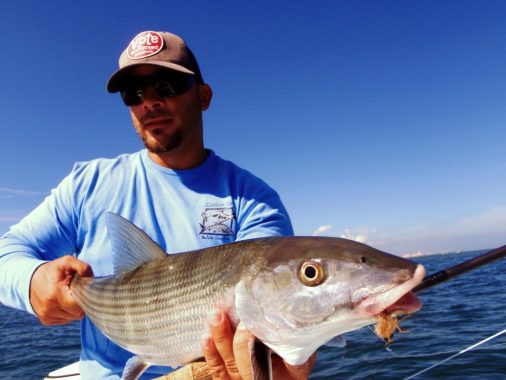
Bonefish are very quick, spooky, and a lot of fun to catch. They prefer the shallow flats and most often can be found in 1 to 2 feet of water, feeding on shrimp, crabs, and small baitfish.
Use light spinning gear or a 7-9 weight fly rod with fluorocarbon leaders. Small live shrimp or small jigs lures work well. When using flies, try small shrimp or crab imitations.
Spot the bonefish before they see you. Approach quietly and cast ahead of their path. Let the bait settle and twitch slightly to draw their attention. Once hooked, be ready for a powerful run—they’re pound-for-pound one of the strongest fighters.
Permit is widely regarded as one of the toughest fish to catch on the flats. They are strong, smart, and easily spooked. Targeting permits in Miami requires patience and persistence.
Use a 9-10 weight fly rod or medium spinning gear with strong fluorocarbon leaders. Permit love crabs, especially small blue or pass crabs, and crab-pattern flies.
Look for permit cruising alone or in small groups over sandy or coral bottom flats. Cast with accuracy and let the bait sink. Permit often approach slowly, inspect the bait, and then strike hard. Don’t set the hook too early—wait until you feel weight.

Tarpon, or “silver kings,” are the most iconic gamefish in South Florida. These giants can be found rolling on the surface in deeper flats or cruising near channels and mangrove edges.
Use a heavy spinning rod or 10-12 weight fly rod with strong leaders. Tarpon prefer live mullet, crabs, or flies like black-and-purple or toad patterns.
Sight fishing for tarpon is all about timing. Look for rolling tarpon in the early morning or late afternoon. Cast ahead of their path and retrieve slowly. When they strike, wait a moment before setting the hook, then hold on for acrobatic jumps and long runs.

Move quietly: Bonefish and permit spook easily. Use a push pole or electric motor to reduce noise.
Practice your cast: Accuracy and distance are key, especially when sight fishing.
Watch the tides: Incoming and outgoing tides push bait and predators into shallow zones.
Use polarized sunglasses: These help spot fish and reduce surface glare.
Hire a local guide: A professional guide knows where the fish are and how to approach them under various conditions.
Conservation is key when fishing on the Miami flats. Always practice responsible catch-and-release methods to protect bonefish, permit, and tarpon populations. Use circle hooks to reduce injury and flatten barbs for easy hook removal.
Handle fish gently and keep them in the water as much as possible. Minimize air exposure and revive them properly before release—never toss a fish back. Knowing and following seasonal closures, size limits, and possession laws ensures you’re fishing sustainably.
These small actions help preserve the ecosystem and allow future generations to enjoy the same thrilling experiences on the water. Conservation begins with every angler’s choice.
Targeting bonefish, permit, and tarpon on the Miami flats is one of the most thrilling experiences in sportfishing. With the right gear, technique, and a bit of patience, anglers can experience the unforgettable excitement of hooking into these world-class gamefish in crystal-clear waters.
Looking to experience world-class flats fishing in Miami? Captain Raul Montoro has over 30 years of experience fishing Biscayne Bay and the Florida Keys. Whether you’re chasing bonefish on fly or hunting permit and tarpon with live bait, Captain Raul will put you on the fish.
Book your trip today with Shallow Tails Guide Service—Miami’s trusted inshore flats fishing charter.
In the Florida Keys, tarpon are targeted during their spring and summer migration. Anglers use live mullet or crabs, fly fishing, drift near bridges or flats, and fish early mornings or evenings for best results.
Bonefish are commonly found on the flats of Biscayne Bay, the Florida Keys, and around Islamorada. Shallow sandy bottoms and grassy flats are ideal spots, especially during warm weather and incoming tides.
Catch bonefish by sight fishing on shallow flats using light spinning gear or fly rods. Present live shrimp, soft plastics, or small flies ahead of their path and retrieve slowly. Stealth and accuracy are essential.
While bonefish are technically edible, it’s illegal to harvest or keep bonefish in Florida. It’s because of their numerous small bones and conservation importance. Most anglers practice catch-and-release to help maintain healthy populations on the flats.
Some of the healthiest fish to eat in Florida include snapper, grouper, pompano, and mahi-mahi. These species are low in mercury, high in omega-3 fatty acids, and sustainably managed under Florida’s fishery guidelines.
